 Reviews

 Proudly American

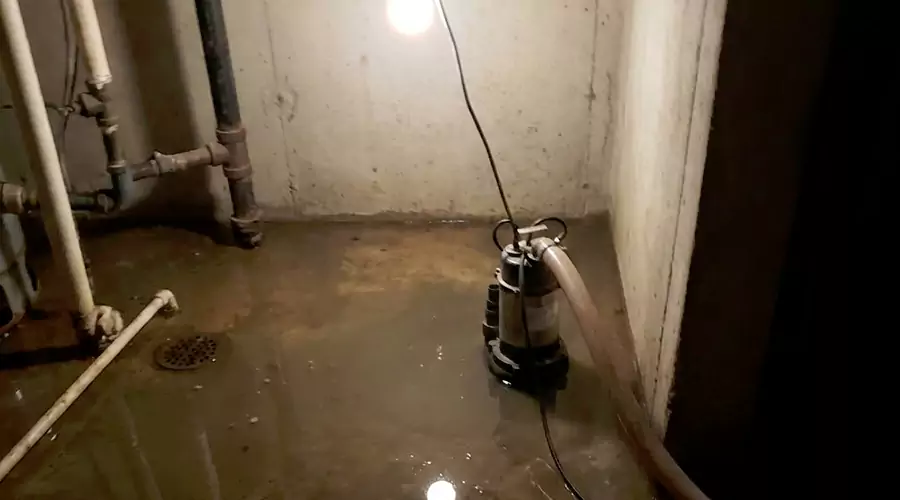
A flooded basement creates the kind of damp environment mold needs to grow quickly, especially when cleanup is delayed. Water can soak into drywall, insulation, carpeting, wood, and stored items, giving mold plenty of places to develop.
This issue affects more than just appearance. Mold can weaken materials, create musty odors, and make the home less healthy to live in.
In this article, we will cover the common causes of basement mold after flooding, the warning signs to watch for, practical prevention steps, and when it makes sense to call professionals.
Why a Flooded Basement Can Lead to Mold Growth?
Moisture Creates the Right Conditions
Mold grows quickly in damp, humid, and poorly ventilated spaces. Basements often stay cool and dark, which makes it harder for wet surfaces to dry out completely. That combination creates an environment where mold can spread fast if the water problem is not handled right away.
Mold Can Start Growing Faster
Mold may begin developing within 24 to 48 hours after flooding if the water is not removed quickly. That short timeline is why a basement can go from wet to moldy much faster than many homeowners realize.
Wet Materials Hold Moisture Deep Inside
Drywall, insulation, carpet, wood framing, and stored boxes are common basement materials that trap water inside them. Even when the surface starts to look dry, moisture can remain hidden deep within the material and support mold growth later.
What Causes Mold After a Basement Flood?
Long Standing Water
Standing water raises the risk of mold because it gives spores time to settle and spread. The longer water sits in the basement, the more likely it is to soak into porous materials and create conditions that support mold colonization.
High Humidity After Cleanup
Even after visible water is gone, lingering humidity can still support mold growth. Damp air keeps surfaces from drying fully, and that trapped moisture can remain active long after the initial flood is over.
Incomplete Drying
Hidden moisture behind walls and under flooring often causes the most serious mold problems. These areas are easy to overlook during cleanup, but they can stay wet long enough for mold to develop out of sight.
Signs of Mold After Basement Flooding
Persistent Musty Odors
A persistent damp smell often points to hidden mold growth after a basement flood.
Visible Spots or Discoloration
Mold can appear as black, green, brown, or white patches on walls, wood, and fabrics. These spots may spread over time, especially if the affected area remains damp.
Peeling Paint or Warped Materials
Trapped moisture often shows up before mold becomes obvious. Bubbling paint, peeling wallpaper, warped flooring, swollen baseboards, and soft wall surfaces can all signal hidden water damage that may later support mold growth.
Allergy-Like Symptoms Indoors
Coughing, sneezing, irritated eyes, and congestion can be warning signs when they happen indoors after flooding. These symptoms may get worse in areas where mold spores are present or where moisture has not been fully removed.
How to Prevent Mold After a Basement Flood?
Remove Standing Water Immediately
Rapid water removal is the first priority because mold can start forming quickly once moisture lingers. Fast extraction also limits damage to the structure and contents.
Dry the Basement Thoroughly
Use air movers and dehumidifiers to pull moisture out of the space as quickly as possible. Good airflow helps speed evaporation, while dehumidifiers reduce the humidity that mold needs to grow. Moisture monitoring is also important because a basement can look dry while hidden dampness still remains in walls, floors, or framing, making professional basement water cleanup essential.
Remove Unsalvageable Wet Materials
Some materials are too saturated to save and should be removed right away. Carpet padding, soaked drywall, insulation, and damaged contents can hold moisture deep inside and become a mold source if left in place. Taking them out early helps stop contamination from spreading to other parts of the basement.
Clean and Sanitize Affected Surfaces
Once the area is dry enough, clean and sanitize all affected surfaces to remove residue and reduce contamination. This step matters because leftover dirt, flood residue, and organic matter can support mold growth later. Thorough cleaning also helps prepare the space for repairs and makes it easier to spot any new mold activity.
What to Do If Mold Started Growing?
Containment helps reduce further spread by keeping mold spores from moving into cleaner parts of the home. If the cleanup area is not controlled properly, scrubbing large contaminated surfaces can release more spores into the air and make the problem worse.
Expert help is the safest option when the mold is widespread, hidden inside building materials, or tied to ongoing moisture problems. It is also the better choice when occupants have health concerns or when the flooding involves sewage contamination.
DIY Mold Cleanup vs Professional Mold Remediation
DIY Cleanup
DIY cleanup may be enough when the mold growth is small and limited to surface level areas. It also makes more sense when there is no major water damage, no strong odor, and no repeated moisture issue.
Professional Remediation
Professional remediation makes more sense when the affected area is large or when moisture is hidden behind walls. It is also the better choice if the mold keeps returning, if sewage was involved, or if anyone in the home is dealing with health concerns.
Final Thoughts
A flooded basement can absolutely cause mold when moisture remains in the space long enough for growth to begin. Quick cleanup, complete drying, and professional restoration when needed can reduce long term damage and help protect the home.